As an Amazon Associate I earn from qualifying purchases. Ebike Oracle may also earn a commission on purchases made through links to other retailers, at no extra cost to you.
Full disclosure.
TL;DR: six UL-certified picks by apartment situation
- Heybike Cityscape 2.0, $609 at our last check · best overall · UL 2849 + UL 2271 · 62 lb · step-through · 600+ reviews
- RPINT Fat 20, $499 at our last check · best budget paperwork · UL 2271 + UL 2849 both documented · 720 Wh · full suspension
- Vivi Gopina, $459.99 at our last check · smallest footprint + cheapest certificate · SGS-certified UL 2849 · 16" folder · step-thru option
- Hoverfly OUREA, $449.99 at our last check · best warranty · UL 2849 · 365-day coverage · every spec stated
- Vivi ACE01, $929.99 at our last check · the upgrade pick · SGS UL 2849 + UL 2271 · torque sensor · hydraulic brakes
- NARRAK Trike 500, $519 at our last check · stability pick · UL 2849 battery in the listing bullets · folds · self-standing
Why UL 2849 is the headline filter (and why we exclude bikes without it)
UL 2849 is Underwriters Laboratories' e-bike-specific battery + electrical-system safety standard, published in 2018. As defined by UL Standards & Engagement, it codifies lithium-ion cell, BMS and thermal-runaway safety for the assembled e-bike as one system: battery, charger interaction, wiring and motor controller together.
Why apartment buyers care: according to the NYC Department of Consumer and Worker Protection, Local Law 39 (passed June 2023, enforcing 2024+) mandates UL 2271 (battery) or UL 2849 (whole-system) certification for e-bikes sold, rented or leased in the city, and it anchors the indoor-charging rules residential buildings now apply. Other US cities are following: NJ, MA, parts of CA. Without a UL cert, your building can ban indoor charging, which on a 4-floor walkup means there's nowhere to charge the bike at all.
The fire-safety backdrop: multiple fatal apartment fires from 2022–2024 traced to non-UL e-bike batteries or aftermarket fast-chargers. CPSC's reportable-incident count grew sharply post-2022. UL 2849 covers internal cell quality, BMS thermal cutoff, charger compatibility, charge-rate ceiling, and assembled-system fault tolerance.
A bike that doesn't advertise UL 2849 in its listing may be perfectly safe, but the certificate is what your building inspector and your insurance provider will ask about, not the bike's actual fire-safety record. That is why this guide treats the paperwork as the product.
What constraints do apartment riders actually hit?
- UL fire safety: covered above. The hard filter.
- Carry weight up stairs. Practical thresholds: under 60 lb is comfortable single-flight, 60–75 lb is borderline, 75+ lb is not realistic for daily walkup use. The Cityscape states 62 lb, the Gopina 69 lb with its battery, the ACE01 72 lb; the two budget Amazon picks leave weight unstated (a common budget-listing omission we flag rather than paper over); the trike is a ground-floor/elevator machine by nature.
- Footprint. Step-throughs (Cityscape, the Gopina step-thru variant) walk through doorways easily; the Gopina also folds, the only pick here that fits inside a closet; the RPINT and OUREA are conventional compact frames; the NARRAK folds and, being a trike, stands on its own in a corner without leaning on your wall.
- Charging accessibility. UL cert + a removable battery you can charge at a desk, independent of where the bike parks. All six picks have removable batteries.
The picks, in detail
#1: Heybike Cityscape 2.0 ($609 at our last check): best overall
Read the full Heybike Cityscape 2.0 review. The strongest all-round apartment package we cover: UL 2849 + UL 2271 certification (the exact pairing NYC Local Law 39 names), a stated 62 lb, a step-through frame that walks through doorways and into elevator cabs without drama, a 468 Wh removable battery for desk charging, and 600+ Amazon owner reviews at 4.2★, the deepest troubleshooting pool of any pick here. At its mid-2026 street price of $609 against a $1,299 list, it is also this guide's best value by a wide margin.
#2: RPINT Fat 20 ($499 at our last check): the best-documented budget bike we cover
Read the full RPINT Fat 20 review. The paperwork bike: at $499 it documents both UL 2271 (battery) and UL 2849 (full system), the two standards NYC's indoor-charging rules name, where every similarly priced rival documents neither. Around the certificates: a 500 W rated motor (modest, legal everywhere), a 720 Wh removable pack (the biggest on this list), full suspension, and a bundled lock. Its review calls it "aimed squarely at apartment commuters," and that is exactly the slot it fills here. Weight is unstated on the listing, the one budget silence on an otherwise exemplary sheet.
#3: Vivi Gopina ($459.99 at our last check): the smallest footprint, and the cheapest certificate
Read the full Vivi Gopina review. The apartment-specialist pick: a 16" x 3.0" fat-tire folder, the only bike on this list that folds small enough for a closet or a car trunk, with SGS certification to UL 2849, a removable 374 Wh battery, a lockable front fork, and a step-thru frame option at the same price tier. At $459.99 direct from Vivi (against a $799.99 compare-at) it is the cheapest certified e-bike we cover, full stop. The honest trades from our review: 69 lb with the battery (the fold fits a trunk; it is not a stair-carry bike), 18–24 real miles from the 374 Wh pack, and 16" wheels that ride busier over potholes than a 20" folder. For a ground-floor or elevator apartment with tight storage, nothing else certified comes close at the price. Sold direct by Vivi rather than on Amazon; we verified all four frame/colour variants in stock on publish day.
#4: Hoverfly OUREA ($449.99 at our last check): best warranty
Read the full Hoverfly OUREA review. The certified budget pick with the longest safety net: UL 2849 certification, every number stated and none inflated: 750 W rated, 20 mph Class 2 cap, 374.4 Wh removable battery, an honest 20–40 mile range split, and a 365-day warranty, the longest coverage on this list. For a small apartment and a sub-10-mile commute with indoor charging, this is the cleanest legal package on the shelf at any price, let alone $449.99.
#5: Vivi ACE01 ($929.99 at our last check): the upgrade pick
Read the full Vivi ACE01 review. For the buyer who wants the certificate and the ride quality the budget tier can't offer: the ACE01 is the only bike on this list with a torque sensor (assist that ramps with your pedal pressure instead of switching on and off) and hydraulic disc brakes, paired with SGS certification to UL 2849 and UL 2271, the same double paperwork as the Cityscape. The 720 Wh battery is removable and semi-integrated, and the 3A charger refills it in 5–6 hours at a desk. The honest apartment caveats: 72 lb and a high-step frame make it an elevator-building bike, and its 26x4" fat tires want more storage length than the folders here. Sold direct by Vivi ($929.99 against a $1,499.99 compare-at); all five colourways verified in stock on publish day.
#6: NARRAK Trike 500 ($519 at our last check, down from $660 since our last pass): the stability pick
Read the full NARRAK Trike 500 review. The pick for elevator buildings and riders who value stability: a UL 2849-certified 624 Wh battery, stated in the listing's own bullets, and unique among the top-selling trikes: under a 500 W rated folding fat-tire three-wheeler with a Shimano 7-speed drivetrain. Our review's one-line verdict fits this guide exactly: "if your hauling plans include an apartment lift and indoor charging, that certificate is the whole decision. … this is the one we'd charge beside the sofa." A trike is a ground-floor or elevator machine, not a stair-carry bike, but it also stands on its own in a corner, needs no wall lean, and loads like a shopping cart.
Honorable mentions
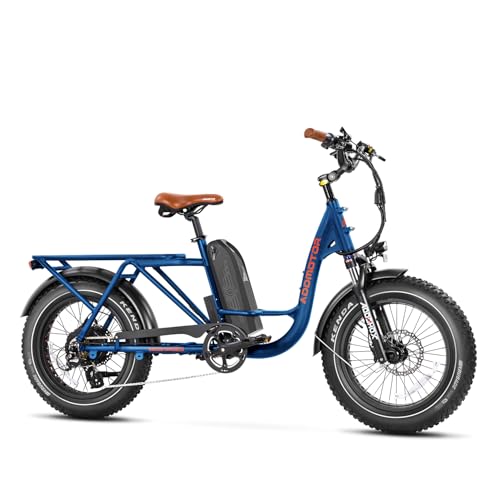
AddMotor GAROOTAN M-81 ($1,199 checked): UL 2849 certified with hydraulic brakes and a passenger deck, but a long-wheelbase cargo bike is the wrong footprint for most apartments. If you have ground-floor storage and family-hauling needs, it leads our family guide.
Vivi F26FUL ($549.99 checked): SGS-certified to UL 2849 and UL 2271 with the best battery-upgrade path we track (an 864 Wh pack for $100 more), but a 74 lb high-step 26x4" fat bike is a garage machine, not an apartment one. If range per dollar is your whole question and you have the storage, its review makes the case.
What else matters for indoor charging?
"UL Certified" in a listing title is not enough. UL 2580 (cells only) and UL 2271 (battery pack) do not certify the bike as a system. The standard your building inspector will ask about is UL 2849. Verify the mark in the listing photos or bullets, exactly as the six picks above state it.
Charge the battery, not the bike. Every pick here has a removable pack. Charge it at a desk or on a tiled floor away from exits, never overnight beside your door. The certificate covers the system; good habits cover the rest.
Renters: get it in writing. If your lease or building rules mention e-bikes at all, a one-line email to management citing the UL 2849 certificate settles the question before it becomes a dispute.
Sources
Certification claims for each pick are quoted from the manufacturer listing at verification time. Confirm the mark in the listing photos before purchase. The two Vivi picks are SGS-certified to the UL standards named; SGS is the accredited test laboratory that performed the certification.
More content on the site
The under-$500 guide covers the floor tier (where the RPINT and OUREA also appear); the folding guide ranks by fold quality; the family guide covers the UL-certified cargo bikes this page excludes on footprint.